
Jogging
Video Demo, Instructions, Proper Form Tips, Common Mistakes, Benefits and FAQs
Video Demo, Instructions, Proper Form Tips, Common Mistakes, Benefits and FAQs
Jogging is one of the simplest yet most effective forms of cardiovascular exercise. It requires minimal equipment and can be performed virtually anywhere, making it accessible for people of all fitness levels. Unlike running, which is typically performed at a higher intensity, jogging is characterized by a slower, steady pace that allows for longer durations and sustainable energy use. This makes it an excellent exercise for building cardiovascular endurance, burning calories, and improving overall fitness without excessive strain on the body.
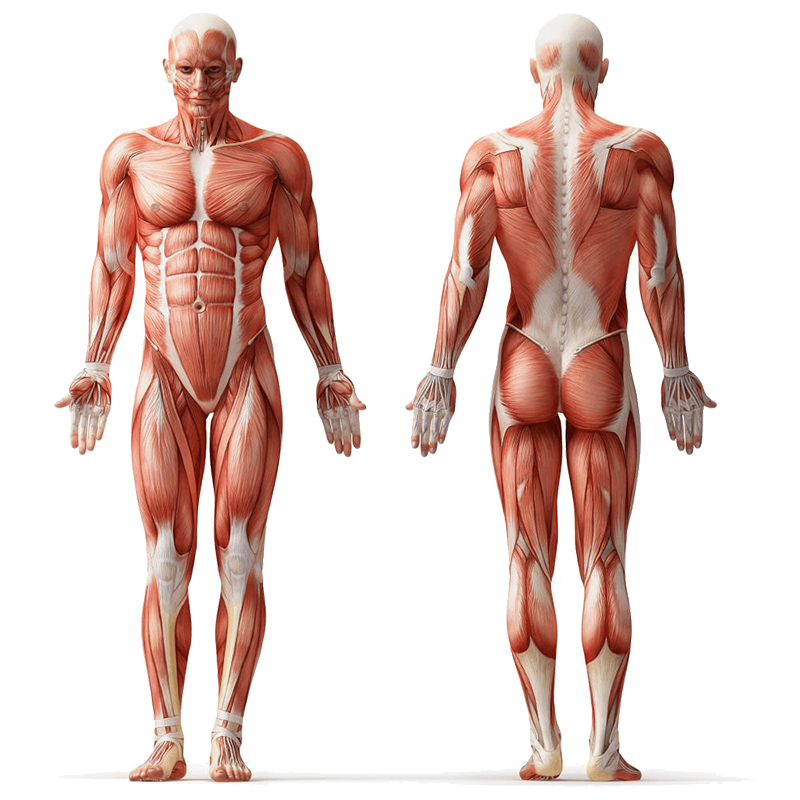
Jogging primarily works the muscles in the lower body, including the quadriceps, hamstrings, calves, and glutes. The core also plays an important role in maintaining posture and stability during the movement. As a full-body cardio activity, jogging not only strengthens muscles but also supports heart and lung health, reduces stress, and improves mood through the release of endorphins. It is a versatile exercise that can be adapted for beginners and scaled up for intermediate or advanced fitness enthusiasts by adjusting pace, distance, or terrain.
Although jogging is low-tech, it’s important to approach it safely. Always wear appropriate running shoes with cushioning and support to reduce impact on joints. Start with a light warm-up such as walking or dynamic stretches to prepare muscles and prevent injury. Maintain good posture, keeping your torso upright and shoulders relaxed. If jogging outdoors, be mindful of terrain, weather, and traffic. Beginners should start with shorter intervals and gradually increase time or distance to avoid overuse injuries like shin splints.
Note: Consult a fitness professional or healthcare provider if you have pre-existing conditions or experience discomfort during jogging.
Here’s how to start jogging effectively:
To maximize the benefits of jogging, keep these tips in mind:
Be cautious of these common jogging mistakes:
Jogging offers numerous benefits for health and fitness:
If jogging feels too difficult initially, try:
To make jogging more challenging, try:
Jogging is a beginner-friendly, low-cost cardio exercise that strengthens the legs, engages the core, and improves cardiovascular health. With minimal equipment and flexibility to be done indoors or outdoors, it is an accessible way to enhance overall fitness. Adaptable with regressions for beginners and progressions for more experienced runners, jogging is a sustainable exercise that benefits both physical and mental health.
Here are common questions about jogging:
Primarily the quadriceps, hamstrings, calves, and glutes, with the core assisting in stability.
Yes, beginners can start at a comfortable pace and gradually increase distance or time.
Start with 10–15 minutes and build up to 30+ minutes as endurance improves.
Yes, it burns calories and supports fat loss when combined with a balanced diet.
Jogging is slower-paced and less intense, while running is faster with higher energy demand.
Yes, it releases endorphins, reduces stress, and boosts overall mood.