
Rowing with Rowing Machine

Video Demo, Instructions, Proper Form Tips, Common Mistakes, Benefits and FAQs
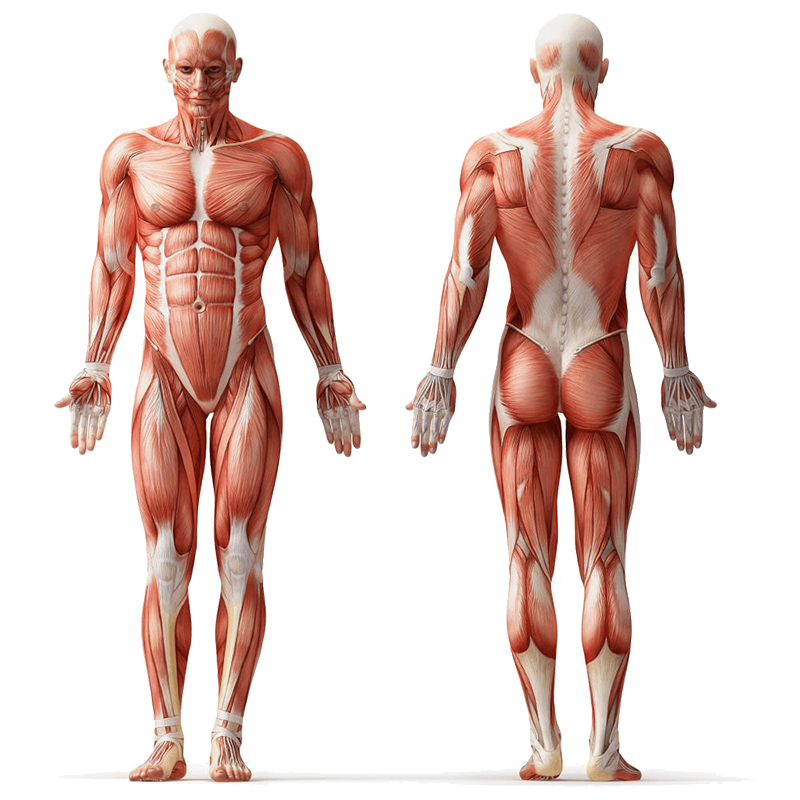
Exercise Profile

Target Muscles:

Quadriceps, Lats

Secondary Muscles:

Glutes, Hamstring, Core, Biceps, Forearms, Shoulders

Exercise Type:

Strength, Cardio

Equipment:

Rowing Machine

Difficulty:

Beginner to Intermediate

Mechanics:

Compound
Muscle Anatomy

Rowing with rowing machine, also known as the ergometer or erg, is one of the most efficient full-body exercises available. This movement simulates the action of rowing a boat, combining both cardiovascular training and muscular strength development. It primarily targets the quadriceps and lats, while also engaging the hamstrings, glutes, core, shoulders, and arms, making it a powerful total-body exercise. Because the movement is low-impact and rhythm-based, it’s suitable for all fitness levels, from beginners to advanced athletes.

The rowing machine provides a controlled environment to build endurance, strength, and coordination while reducing strain on the joints compared to high-impact exercises like running. It’s a favorite among athletes, fitness enthusiasts, and those seeking efficient workouts that burn calories and improve conditioning in a relatively short time. Consistent rowing can improve cardiovascular fitness, muscular endurance, and posture, while also enhancing coordination through the rowing stroke cycle.

Safety Considerations

Although rowing is low-impact, improper form can place stress on the lower back, shoulders, or knees. Always begin with a proper warm-up and adjust the damper (resistance) setting to an appropriate level. Keep your core engaged, spine neutral, and movements smooth. Avoid hunching your shoulders or jerking through strokes. Start at a moderate pace and gradually build intensity as your technique improves.

Note: Consult a fitness professional or healthcare provider if you have pre-existing conditions or experience discomfort during the exercise.

Step-by-Step Instructions

Here’s how to perform Rowing with a Rowing Machine correctly:

  1. The Catch: Sit on the machine with feet securely strapped into the footrests. Grab the handle with both hands, knees bent, shins vertical, arms extended, and torso slightly leaning forward.
  2. The Drive: Push through your legs first, extending knees while keeping arms straight and torso stable. Once legs are nearly extended, lean back slightly while pulling the handle toward your lower ribs.
  3. The Finish: At the end of the drive, legs are extended, torso leans slightly back, and handle is close to the body with elbows bent.
  4. The Recovery: Reverse the motion—extend arms forward, hinge at the hips to bring torso forward, then bend knees to return to the catch position smoothly.
  5. Repeat in a fluid, controlled rhythm for the desired time or distance.

Tips for Proper Form

Improve your rowing performance with these tips:

  • Think “legs, core, arms” on the drive and “arms, core, legs” on the recovery.
  • Keep shoulders relaxed, not hunched.
  • Engage core to support lower back.
  • Maintain a steady rhythm instead of rushing strokes.
  • Push with legs first, don’t pull only with arms.
  • Breathe consistently—inhaling on recovery, exhaling on drive.

Common Mistakes to Avoid

Be mindful of these errors during rowing:

  • Slouching or rounding the back.
  • Pulling handle too high toward the chest or neck.
  • Overextending legs and locking knees.
  • Jerking through strokes instead of smooth flow.
  • Starting pull with arms instead of legs.
  • Rowing too fast without proper technique.

Primary Benefits

Rowing with a rowing machine provides numerous benefits:

  • Delivers a full-body workout in one movement.
  • Builds cardiovascular fitness and endurance.
  • Strengthens legs, back, core, and arms simultaneously.
  • Low-impact exercise suitable for joint health.
  • Burns significant calories, aiding weight management.
  • Improves posture and coordination.

Regressions

If rowing feels too challenging at first, try:

  • Reducing damper setting for lighter resistance.
  • Practicing rowing strokes slowly to focus on form.
  • Rowing for shorter intervals with rest between sets.
  • Breaking down movement by practicing leg drive or arm pull separately.

Progressions

To increase difficulty, try:

  • Rowing at higher resistance settings.
  • Performing longer sessions for endurance.
  • Including interval training (e.g., sprint intervals with rest).
  • Tracking pace and improving stroke rate (spm) over time.

Summary

Rowing with a rowing machine is a total-body exercise that combines cardio and strength in one smooth, low-impact movement. Targeting the quads, lats, glutes, hamstrings, core, and arms, it enhances both muscular endurance and cardiovascular fitness. Beginner-friendly yet scalable, rowing is versatile for all fitness levels, making it a powerful addition to any workout routine.

FAQs

Here are common questions about Rowing with a Rowing Machine:

What muscles does rowing target?

It mainly targets quadriceps and lats, with glutes, hamstrings, core, and arms as secondary muscles.

Is rowing beginner-friendly?

Yes, it’s suitable for beginners, but proper technique is essential.

How long should a rowing session be?

Start with 10–15 minutes and gradually build up to 30 minutes or more.

Does rowing burn calories effectively?

Yes, rowing is a high-calorie-burning exercise combining strength and cardio.

What damper setting should I use?

Beginners should start with a low setting (3–5) to master technique.

Can rowing replace running?

It’s a great alternative for cardio with less joint impact, though variety is beneficial.

Disclaimer: It’s important to keep in mind that not all exercises are suitable for everyone. Before trying out a new exercise, it’s crucial to consider factors such as your flexibility, strength, and overall health to determine whether or not the exercise is appropriate for you. Like any exercise, there is inherent danger associated with it and it can potentially cause personal injury. It’s solely the responsibility of the exerciser to bear any injury sustained from the proper or improper use of this exercise. World Fitness.Online and its partners cannot be held liable for any injury that occurs as a result of using this exercise and it’s strongly advised that you seek guidance from a professional healthcare provider before attempting any exercise or exercise program.
Facebook
Twitter
LinkedIn
Scroll to Top