
Foam Roll Hip Thrust

Video Demo, Instructions, Proper Form Tips, Common Mistakes, Benefits and FAQs
Exercise Profile

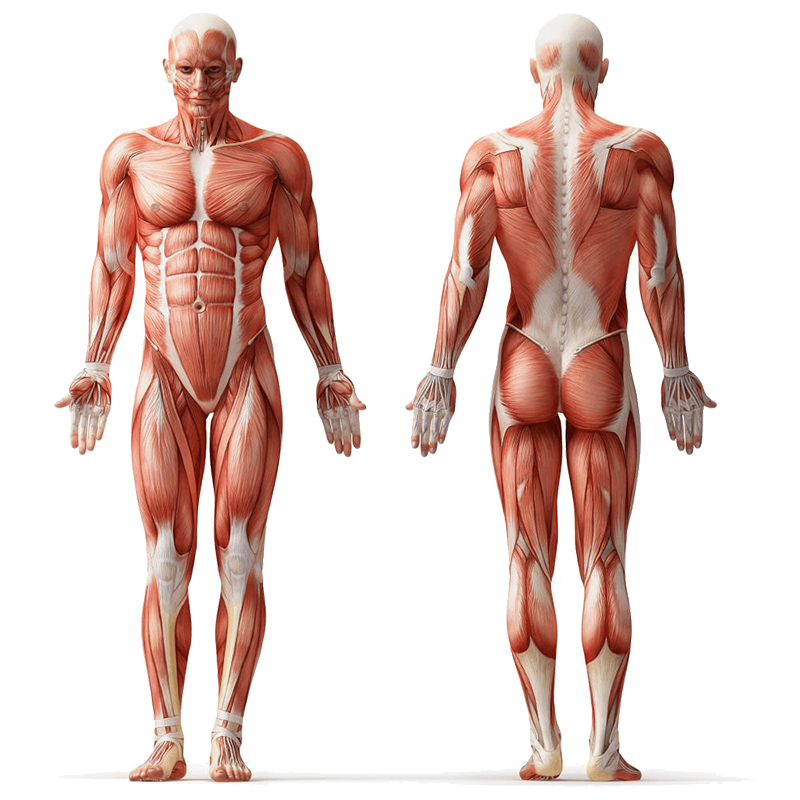
Target Muscles:

Glutes

Secondary Muscles:

Hamstring, Core, Lower Back

Exercise Type:

Strength

Equipment:

Foam Roller

Difficulty:

Beginner to Intermediate

Mechanics:

Compound
Muscle Anatomy

The Foam Roll Hip Thrust is a glute-focused exercise that builds strength, power, and stability in the lower body. By using a foam roller as the support under your upper back, this exercise challenges balance while effectively targeting the glutes, hamstrings, and core. Unlike traditional hip thrusts on a bench, the foam roller provides a slightly unstable surface, requiring greater muscle activation for stabilization. This makes it an excellent progression for those looking to strengthen their posterior chain with minimal equipment.

This movement is versatile and can be performed at home or in the gym. The foam roller not only serves as a support but also helps enhance proprioception, forcing the body to engage stabilizing muscles more actively. It’s ideal for people who want to strengthen their glutes, improve hip extension, and build a foundation for athletic movements like running, jumping, or lifting.

Safety Considerations

As with any hip thrust variation, avoid overarching the lower back during the lift. Keep the foam roller stable under your shoulder blades and ensure it doesn’t roll away mid-exercise. Start with bodyweight before adding external resistance like dumbbells or plates. If you feel discomfort in the lower back or knees, reduce range of motion or adjust positioning. Perform the exercise on a non-slip mat to prevent sliding.

Note: Consult a fitness professional or healthcare provider if you have pre-existing conditions or experience discomfort during the exercise.

Step-by-Step Instructions

Here’s how to perform the Foam Roll Hip Thrust:

  1. Sit on the floor with a foam roller positioned horizontally behind you.
  2. Lean back so the foam roller rests under your upper back, near the shoulder blades.
  3. Plant feet flat on the floor, hip-width apart, with knees bent at 90 degrees.
  4. Engage your core and drive through your heels to lift your hips upward.
  5. Raise hips until your body forms a straight line from shoulders to knees.
  6. Squeeze glutes at the top, then slowly lower hips back down to the floor.
  7. Repeat for the desired number of reps.

Tips for Proper Form

Follow these tips to maximize results:

  • Press through your heels, not your toes, for glute activation.
  • Keep chin tucked slightly to maintain neutral spine alignment.
  • Control the movement—avoid bouncing on the foam roller.
  • Engage your core to support lower back stability.
  • Pause at the top for 1–2 seconds for stronger glute contraction.
  • Keep knees tracking in line with toes throughout the lift.

Common Mistakes to Avoid

Be mindful of these common errors:

  • Allowing foam roller to slide out of place.
  • Overarching lower back instead of engaging glutes.
  • Driving through toes instead of heels.
  • Letting knees cave inward during lift.
  • Performing reps too quickly without tension.
  • Neglecting to pause at the top for full contraction.

Primary Benefits

The Foam Roll Hip Thrust provides several benefits:

  • Strengthens and tones glutes effectively.
  • Engages hamstrings and core for stability.
  • Improves hip extension strength and mobility.
  • Challenges balance with unstable foam roller support.
  • Requires minimal equipment, making it versatile.
  • Supports better performance in sports and daily activities.

Regressions

If too challenging, try:

  • Performing a basic glute bridge on the floor.
  • Reducing the range of motion until strength improves.
  • Using bodyweight only, without added resistance.
  • Holding a static bridge instead of dynamic thrusts.

Progressions

To make the exercise harder, try:

  • Adding a dumbbell or plate across your hips.
  • Using a stronger resistance band around thighs.
  • Holding the top position longer for isometric tension.
  • Performing single-leg hip thrusts on the foam roller.

Summary

The Foam Roll Hip Thrust is a beginner-to-intermediate exercise that effectively strengthens the glutes, hamstrings, and core using a foam roller for support. Its slight instability increases muscle activation and balance, making it an excellent alternative to bench hip thrusts. Adaptable with regressions and progressions, it’s a versatile choice for anyone aiming to improve lower-body strength and athletic performance.

FAQs

Here are common questions about the Foam Roll Hip Thrust:

What muscles does this target?

Mainly the glutes, with support from hamstrings, core, and lower back.

Is it beginner-friendly?

Yes, start with bodyweight only before progressing to added resistance.

Why use a foam roller instead of a bench?

The foam roller adds instability, increasing muscle engagement and balance.

Can I add weights?

Yes, place a dumbbell or plate across hips for extra challenge.

How many reps should I do?

8–15 reps for 2–3 sets is effective for strength and endurance.

Is this safe for the lower back?

Yes, if performed with proper form and core engagement. Avoid overarching the spine.

Disclaimer: It’s important to keep in mind that not all exercises are suitable for everyone. Before trying out a new exercise, it’s crucial to consider factors such as your flexibility, strength, and overall health to determine whether or not the exercise is appropriate for you. Like any exercise, there is inherent danger associated with it and it can potentially cause personal injury. It’s solely the responsibility of the exerciser to bear any injury sustained from the proper or improper use of this exercise. World Fitness.Online and its partners cannot be held liable for any injury that occurs as a result of using this exercise and it’s strongly advised that you seek guidance from a professional healthcare provider before attempting any exercise or exercise program.
Facebook
Twitter
LinkedIn
Scroll to Top