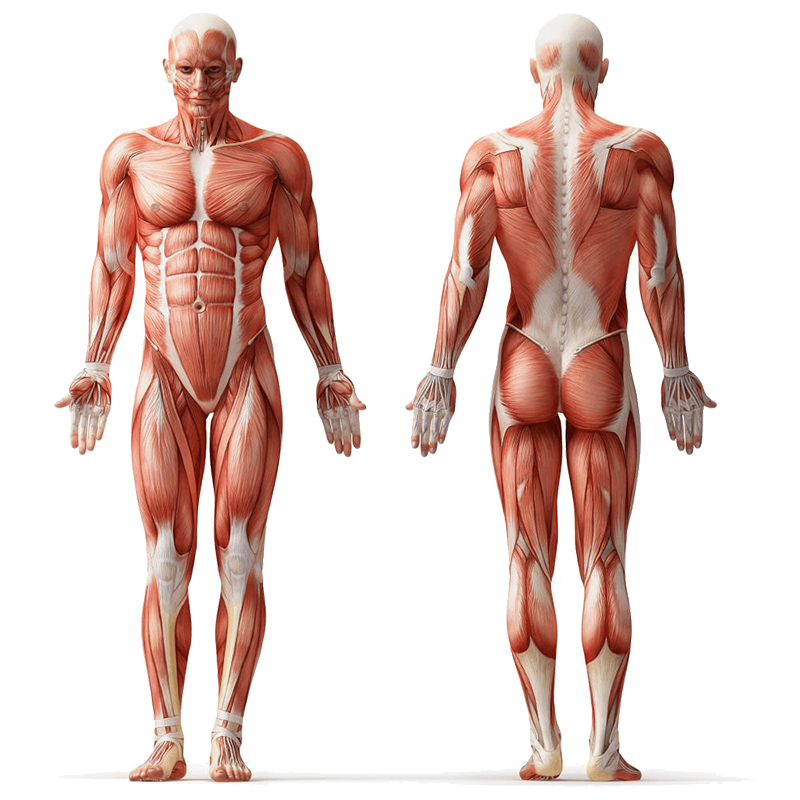
Stationary Bike Ride, also known as indoor cycling, spin bike workout, or exercise bike riding, is a low impact cardio exercise that keeps your joints happy while giving your heart, lungs, and legs a solid challenge. It is primarily a cardio activity with compound mechanics because many joints and muscles share the workload as you pedal against resistance. Most riders feel this in the Legs and Hips first, especially the Quads, Hamstrings, Glutes, and Calves, with steady help from the Core and Back to stabilize your posture. Depending on your bike style, the Arms, Shoulders, and Triceps lightly assist on the handlebars.
All you need is a stationary bike, and you can tailor the difficulty from easy spinning to all out intervals, making it friendly for beginners through advanced athletes. What sets the stationary bike apart is how adjustable it is: you control resistance, cadence, and body position to focus on endurance, fat loss, or power without the pounding that comes with many other forms of cardio. It also suits cross training, active recovery days, and anyone building fitness after time off.
Safety Considerations
Before you start pedaling, a smart setup and a quick body check will keep your ride comfortable and productive.
- Bike setup first: Adjust the seat height so there is a slight bend in your knee at the bottom of the pedal stroke rather than a locked knee. As a quick landmark, many riders set the saddle roughly level with the top of the hip bone when standing next to the bike, then fine tune on the seat.
- Fore-aft position: When your foot is on the pedal at 3 o’clock, your forward knee should stack over the ball of the foot. Slide the seat forward or back to reduce pressure on the knees and hips.
- Handlebars: Set them high enough to keep a neutral spine with relaxed shoulders and a light bend in the elbows. New riders or those with back tightness may prefer slightly higher bars for comfort.
- Footwear and pedals: Wear firm soled shoes or clip in with cycling cleats if your bike supports it. Secure straps so feet do not slip.
- Warm up: Spend 5 to 10 minutes gradually raising your heart rate and exploring light to moderate resistance.
- Hydration and ventilation: Keep water within reach and use a fan or open window to manage heat buildup.
- Pain check: Sharp pain around the knees or lower back is a signal to stop and recheck bike fit.
Note: Consult a fitness professional or healthcare provider if you have pre-existing conditions or experience discomfort during the exercise.
Step-by-Step Instructions
Use these steps to get set, ride with purpose, and finish feeling strong and fresh.
- Adjust your bike: Set saddle height so the knee stays slightly bent at the bottom of the pedal stroke. Tweak saddle fore-aft until the forward knee stacks above the ball of the foot at 3 o’clock. Set handlebar height for a neutral spine and relaxed shoulders.
- Mount and position: Place the balls of your feet over the pedal axles. Engage pedal straps or clip into the pedals if available. Sit tall with a gentle brace through the Core and a proud chest.
- Begin the warm up: Start with very light resistance and an easy cadence. Breathe in through the nose and out through the mouth, letting the breath set your rhythm.
- Set your base pace: Increase resistance to a comfortable steady effort where you can talk in short sentences. Keep hips level and avoid rocking in the saddle.
- Drive the downstroke: Press smoothly through the Quads and Glutes as the pedal moves from 1 to 5 o’clock. Keep the knee tracking over the toes rather than caving inward.
- Complete the circle: Lightly scrape back at the bottom with the Hamstrings and then lift the pedal across the top with the Hip Flexors. Think smooth circles rather than hard stomps.
- Manage intensity: Add or reduce resistance to meet your goal. For aerobic endurance, keep a steady moderate effort. For intervals, alternate harder efforts with easy spins.
- Upper body quiet: Keep a light grip on the bars. Shoulders down, elbows softly bent, Core engaged so your torso is quiet while the legs do the work.
- Breathing rhythm: Match a steady breathing pattern to cadence. During hard efforts, focus on strong exhales to stay relaxed.
- Cool down: Reduce resistance and cadence for 3 to 5 minutes. Step off and gently stretch the quads, hamstrings, calves, and hips.
Tips for Proper Form
Small adjustments deliver big comfort and power on the bike. Keep these pointers in mind every ride.
- Keep knees tracking in line with the toes to protect the joints and improve power transfer.
- Maintain a neutral spine by hinging slightly at the hips rather than rounding the back.
- Hold the bars lightly to prevent tense shoulders and numb hands. Let the Core stabilize you.
- Use smooth circles. Think press down, sweep back, and lift through rather than mashing.
- Set resistance so you are not bouncing in the saddle at higher cadences.
- Relax the jaw and face. A calm upper body helps cadence stay consistent.
- Place the ball of the foot over the pedal axle, not the arch, for efficient leverage.
- Check seat height again if you feel knee strain in front or behind the joint.
Common Mistakes to Avoid
Most issues come from setup errors or trying to push too hard too soon. Bypass these pitfalls.
- Seat set too low, causing excessive knee bend and pressure on the front of the knees.
- Seat too high, leading to hip rocking and tension in the lower back or hamstrings.
- Gripping the handlebars tightly, which fatigues the wrists and shoulders.
- Bouncing in the saddle due to too little resistance at a fast cadence.
- Letting knees cave inward on the downstroke, which stresses the knees and reduces power.
- Skipping the warm up and cool down, increasing the risk of cramps or dizziness.
- Using only the downstroke and ignoring the back and up phases of the pedal circle.
Primary Benefits
From heart health to daily energy, the stationary bike delivers across the board.
- Improves cardiovascular fitness and endurance with scalable intensity.
- Strengthens Legs and Hips, particularly Quads, Hamstrings, Glutes, and Calves, with Core support.
- Low impact option that is friendly for knees and hips compared with many high impact activities.
- Supports healthy body composition by increasing calorie burn in a controlled environment.
- Enhances balance and coordination by training smooth pedal mechanics and Core stability.
- Convenient and weather proof, ideal for consistent training at home or the gym.
- Can aid active recovery on low resistance days to promote blood flow and reduce stiffness.
- Provides mental health benefits such as stress relief and a boost in mood and focus.
Regressions
Dial the exercise down without losing quality by trying these beginner friendly options.
- Shorter rides of 10 to 15 minutes at easy to moderate effort.
- Lower resistance with a smooth cadence, focusing on form and breathing.
- Intervals with longer recovery, such as 30 seconds easy and 30 seconds very easy.
- Higher handlebar position to reduce back and neck strain.
- Seated only rides with no standing climbs until stability improves.
- Use a gel saddle cover or padded shorts for additional comfort while adapting.
- Cadence target of 70 to 80 rpm if coordination is still developing.
Progressions
Ready for more challenge? Increase workload and variety with these ideas.
- Structured intervals such as 1 minute hard and 1 minute easy for 10 rounds.
- Hill builds where you add one small resistance step every minute for 5 to 10 minutes.
- Tempo efforts at a steady moderately hard pace for 10 to 20 minutes.
- Fast cadence drills at light to moderate resistance focusing on smooth control.
- Standing climbs for short bursts while keeping hips back and Core engaged.
- Pyramids such as 30, 60, 90 second efforts with equal recoveries, then back down.
- Long endurance rides of 40 to 60 minutes at conversational effort.
Summary
Stationary Bike Ride is a low impact, highly adjustable cardio exercise that targets the Legs and Hips while engaging the Core and Back for support. With a simple setup and a focus on smooth pedaling, you can build heart health, leg strength, and endurance at any fitness level. Keep the seat and handlebar settings comfortable, breathe steadily, and progress from easy spins to structured intervals as your conditioning grows.
FAQs
These common questions help you fine tune your setup and plan your training.
What muscles does a Stationary Bike Ride work?
Primarily the Legs and Hips including Quads, Hamstrings, Glutes, and Calves, with secondary help from the Core, Hip Flexors, and lower Back. The Arms and Shoulders provide light support on the bars.
How high should my bike seat be?
Start with the saddle roughly level with the top of your hip bone when standing beside the bike. On the bike, there should be a slight bend in your knee at the bottom of the stroke. Fine tune so the knee is stacked above the ball of the foot at 3 o’clock.
How often should I do stationary bike workouts?
Most people do well with 3 to 5 rides per week, adjusting duration and intensity to match recovery and goals.
How long should a beginner ride?
Begin with 10 to 20 minutes at an easy to moderate effort, then add a few minutes weekly as comfort and fitness improve.
Is standing on the pedals safe on a stationary bike?
Yes if you maintain control. Add resistance before standing, hinge slightly at the hips, keep Core engaged, and avoid swaying the bike side to side.
What cadence should I aim for?
For steady rides, many cyclists use 80 to 95 rpm. For hill work, cadence may drop to 60 to 80 rpm with higher resistance. Choose a cadence that stays smooth without bouncing.
Can I pair stationary cycling with strength training?
Yes. Combine 2 to 3 days of strength training with your rides each week to support balanced development and protect joints.