
Dumbbell Bent Over Curl

Video Demo, Instructions, Proper Form Tips, Common Mistakes, Benefits and FAQs
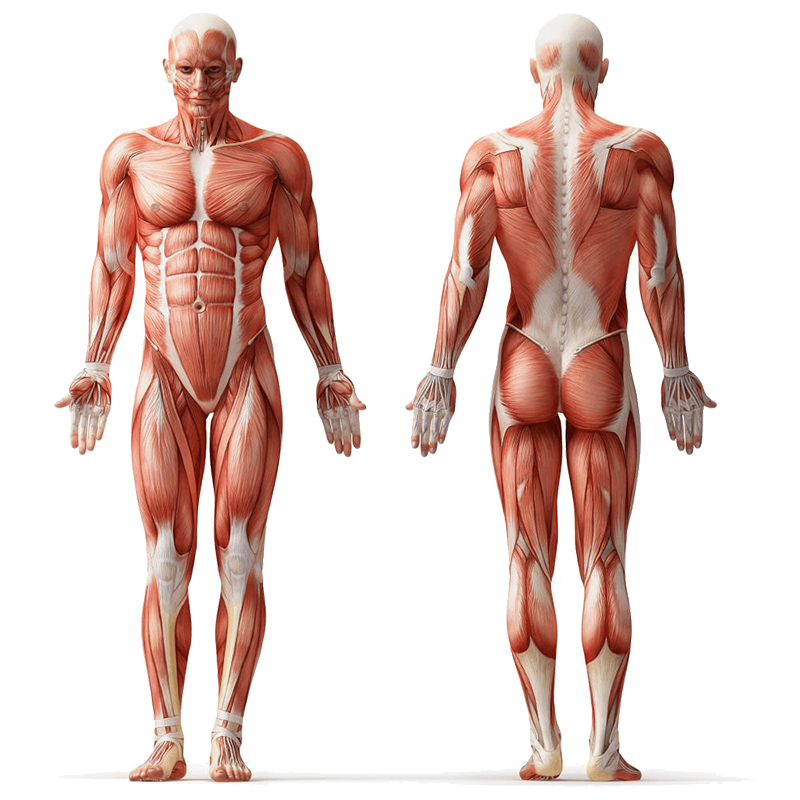
Exercise Profile

Target Muscles:

Biceps

Secondary Muscles:

Forearms

Exercise Type:

Strength

Equipment:

Dumbbells

Difficulty:

Beginner

Mechanics:

Isolation
Muscle Anatomy

The Dumbbell Bent Over Curl is an isolation exercise designed to target the biceps brachii (front upper arm muscles) while also engaging the brachialis and brachioradialis (forearm muscles). This movement involves hinging at the hips, allowing the arms to hang perpendicular to the ground, and curling the dumbbells toward the shoulders, effectively emphasizing bicep contraction. It is suitable for individuals at an intermediate experience level and can be performed with just a pair of dumbbells, making it an accessible yet highly effective addition to any strength training routine.

Unlike traditional standing curls, the bent-over position reduces the involvement of the shoulders, placing greater emphasis on the biceps while also requiring core stability to maintain proper posture. This positioning also changes the angle of resistance, challenging the muscles differently than standard curls and contributing to improved arm strength and definition. Additionally, the neutral grip at the beginning of the movement recruits more of the forearm muscles, further enhancing grip strength.

Before attempting the Dumbbell Bent Over Curl, ensure you have mastered basic bicep curl variations and possess adequate core strength to maintain stability in the bent-over position. A proper warm-up, including dynamic stretches for the arms, shoulders, and lower back, is recommended to prepare the muscles and joints for the movement. Prioritizing controlled form and avoiding momentum is key to maximizing effectiveness and reducing the risk of strain.

In the following sections, we will provide detailed step-by-step instructions, tips for maintaining proper form, discuss the benefits of the Dumbbell Bent Over Curl, highlight common mistakes to avoid, and address frequently asked questions to offer a comprehensive understanding of this exercise.

By mastering the Dumbbell Bent Over Curl, you can enhance bicep strength, improve forearm stability, and develop a well-rounded upper body.

*Note: If you have pre-existing wrist, elbow, or lower back concerns, consult a fitness professional or healthcare provider before incorporating this exercise into your routine.*

Step-by-Step Instructions

  1. Stand with your feet shoulder-width apart, holding a dumbbell in each hand with a neutral grip (palms facing inward).
  2. Hinge at the hips, keeping your back straight, until your torso is at a 45-degree angle to the floor. Let your arms hang naturally, perpendicular to the ground.
  3. Engage your core to maintain stability throughout the movement.
  4. While keeping your upper arms stationary, exhale and curl the dumbbells toward your shoulders by contracting your biceps. Rotate your wrists during the curl so that your palms face upward at the peak of the contraction.
  5. Pause briefly at the top of the movement, ensuring maximum biceps contraction.
  6. Inhale and slowly lower the dumbbells back to the starting position, rotating your wrists back to the neutral grip.
  7. Repeat for the desired number of repetitions.

Tips for Proper Form

  • Maintain a straight back throughout the exercise to prevent strain and ensure proper muscle engagement.
  • Keep your upper arms stationary; only your forearms should move during the curl.
  • Avoid swinging the weights or using momentum; perform the movement in a controlled manner.
  • Engage your core muscles to support your lower back and maintain balance.
  • Choose an appropriate weight that allows you to complete the exercise with proper form.
  • Focus on a full range of motion to maximize muscle activation.

Common Mistakes to Avoid

  • Rounding the back, which can lead to injury; always keep your spine neutral.
  • Using momentum to lift the weights instead of relying on muscle contraction.
  • Allowing the elbows to flare out or keeping the elbows too far back, reducing the effectiveness of the bicep isolation.
  • Not fully extending the arms during the lowering phase, which limits muscle engagement.
  • Holding your breath; remember to breathe steadily throughout the exercise.
  • Lifting weights that are too heavy, compromising form and increasing injury risk.

Dumbbell Bent Over Curl Benefits

  • Isolates and strengthens the biceps, enhancing upper arm definition.
  • Improves forearm strength and grip due to the neutral starting position.
  • Promotes better muscle balance by focusing on the biceps without shoulder involvement.
  • Enhances functional strength applicable to daily activities requiring pulling motions.
  • Offers variation in bicep training, preventing workout monotony.
  • Can be performed with minimal equipment, making it accessible for home workouts.

Summary

The Dumbbell Bent Over Curl is an effective isolation exercise targeting the biceps, promoting upper arm strength and muscle balance. By maintaining proper form and control, individuals can enhance their bicep development and forearm stability, contributing to overall upper body functionality.

FAQs

Can beginners perform the Dumbbell Bent Over Curl?

Yes, beginners can perform this exercise, but it's essential to start with lighter weights to master proper form before progressing to heavier loads.

How many sets and repetitions are recommended?

A common recommendation is 2-3 sets of 8-12 repetitions, depending on your fitness goals and experience level.

Is it necessary to rotate the wrists during the curl?

Rotating the wrists to a supinated (palm-up) position engages the biceps more effectively, enhancing muscle activation.

Can this exercise replace traditional bicep curls?

While it offers variation, it's best used to complement traditional curls for comprehensive bicep development.

What should I do if I experience lower back discomfort during the exercise?

Ensure you're maintaining proper form with a straight back and engaged core. If discomfort persists, consider reducing the weight or consulting a fitness professional.

Can I perform this exercise seated?

Performing it seated is not recommended, as the standing position allows for better hip hinging and proper form.

Disclaimer: It’s important to keep in mind that not all exercises are suitable for everyone. Before trying out a new exercise, it’s crucial to consider factors such as your flexibility, strength, and overall health to determine whether or not the exercise is appropriate for you. Like any exercise, there is inherent danger associated with it and it can potentially cause personal injury. It’s solely the responsibility of the exerciser to bear any injury sustained from the proper or improper use of this exercise. World Fitness.Online and its partners cannot be held liable for any injury that occurs as a result of using this exercise and it’s strongly advised that you seek guidance from a professional healthcare provider before attempting any exercise or exercise program.
Facebook
Twitter
LinkedIn
Scroll to Top