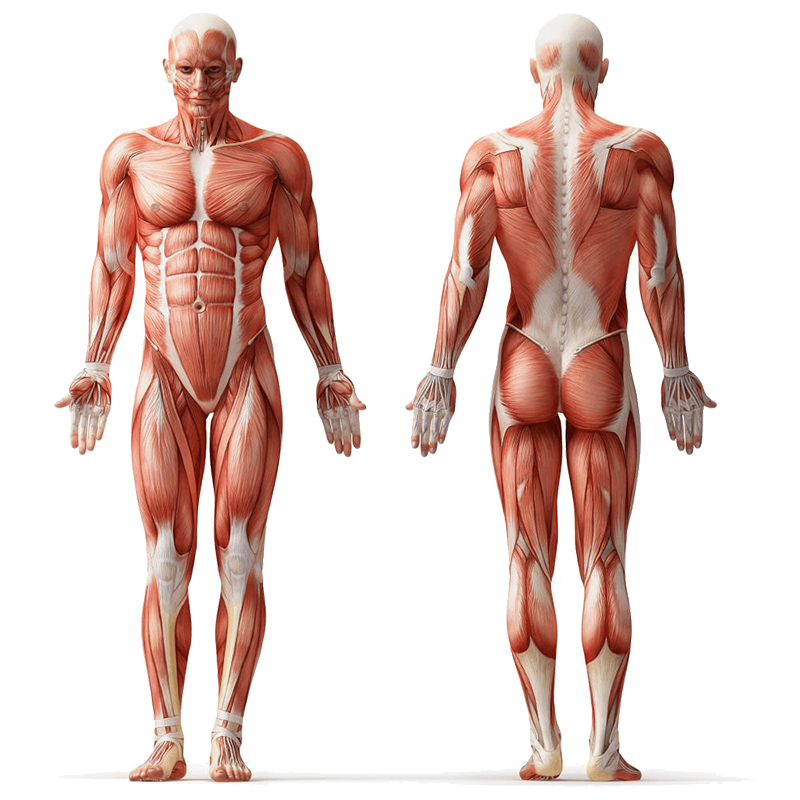
The Barbell Jump Squat is an advanced, high-intensity exercise that combines the foundational squat with an explosive jump, all while supporting a barbell across the upper back. This dynamic movement primarily targets the quadriceps (front thigh muscles) and gluteus maximus (buttocks), while also engaging the hamstrings (back thigh muscles), calves, and core muscles for stabilization./p>
As a compound exercise, it involves multiple joints and muscle groups, enhancing overall lower body strength and power. Due to its complexity and the coordination required, the Barbell Jump Squat is best suited for individuals with an advanced fitness level who have mastered basic squat techniques and possess adequate strength to maintain proper form throughout the movement. Incorporating this exercise into a strength training regimen can significantly improve athletic performance, particularly in activities requiring explosive lower body power, such as sprinting and jumping.
Step-by-Step Instructions
- Setup: Begin by positioning a barbell across your upper back, resting it comfortably on your trapezius muscles. Stand with your feet shoulder-width apart, toes pointing slightly outward. Grip the barbell firmly with both hands, ensuring your elbows are pointing downward to maintain stability.
- Descent: Engage your core muscles to support your spine. Initiate the movement by pushing your hips back and bending your knees, lowering your body into a squat position. Keep your chest lifted and back straight, descending until your thighs are at least parallel to the floor.
- Explosive Jump: From the squat position, drive through your heels and extend your hips and knees forcefully to propel your body upward into a jump. Aim to leave the ground with maximal power while maintaining control of the barbell.
- Landing: As you descend from the jump, prepare to land softly by bending your knees and hips to absorb the impact. Ensure your feet return to the shoulder-width stance, and immediately transition into the next repetition by descending into the squat position.
- Repetition: Perform the desired number of repetitions, maintaining proper form and control throughout the exercise. Focus on consistent breathing, inhaling during the descent and exhaling explosively during the jump.
Tips for Proper Form
- Start with Light Weights: If you're new to the Barbell Jump Squat, begin with a lighter barbell or even a PVC pipe to master the technique before progressing to heavier loads.
- Maintain a Neutral Spine: Keep your back straight and avoid rounding your shoulders to prevent strain on the lower back. Engage your core muscles to support spinal alignment.
- Ensure Proper Foot Placement: Position your feet shoulder-width apart with toes slightly turned out to allow for optimal movement mechanics during the squat and jump.
- Land Softly: Focus on landing gently on the balls of your feet, rolling back to your heels, to reduce impact forces on your joints. This technique also prepares you for a seamless transition into the next repetition.
- Avoid Knee Valgus: Prevent your knees from caving inward during the movement by consciously pushing them outward in line with your toes. This alignment protects the knee joints and promotes proper muscle engagement.
- Control Your Descent: Lower your body into the squat position in a controlled manner to maintain balance and prepare your muscles for the explosive jump. Avoid dropping too quickly, which can compromise form and increase injury risk.
Common Mistakes to Avoid
- Using Excessive Weight: Adding too much weight before mastering the proper technique can compromise form and increase the risk of injury. Start with a manageable load and gradually increase it.
- Failing to Control the Landing: Landing too stiffly or without bending the knees and hips can strain the joints and reduce the effectiveness of the exercise. Focus on a controlled, soft landing to absorb the impact.
- Neglecting Core Engagement: A weak or disengaged core can lead to instability and potential injury. Always tighten your abdominal muscles to protect your spine and maintain balance.
- Allowing the Knees to Cave Inward: Letting your knees collapse inward during the squat or landing phase can cause unnecessary strain on the joints. Keep your knees aligned with your toes.
- Rounding the Back: A rounded back, especially during the descent or jump, increases the risk of lower back injury. Maintain a neutral spine throughout the exercise.
- Overlooking Proper Foot Position: Incorrect foot placement can lead to inefficient movement mechanics. Ensure your feet are shoulder-width apart and your toes are slightly turned outward for optimal performance.
Barbell Jump Squat Benefits
- Enhances Explosive Power: The combination of strength and plyometric elements in the Barbell Jump Squat trains your muscles to generate force rapidly, improving overall explosive power.
- Improves Athletic Performance: By mimicking movements such as jumping and sprinting, this exercise enhances performance in sports that require lower body explosiveness.
- Increases Lower Body Strength: Targeting major muscle groups like the quadriceps, glutes, and hamstrings, it contributes to overall lower body strength development.
- Boosts Calorie Burn: The high-intensity nature of the exercise elevates heart rate, leading to increased calorie expenditure during and after the workout.
- Enhances Coordination and Balance: The dynamic movement requires precise coordination and balance, improving neuromuscular control.
- Promotes Bone Density: The impact forces involved can stimulate bone growth, aiding in the maintenance of bone density.
Summary
The Barbell Jump Squat is a powerful, dynamic exercise designed to improve lower body strength, explosive power, and athletic performance. By engaging multiple muscle groups, including the quadriceps, gluteus maximus, and core, this compound movement enhances functional fitness and athletic capabilities. Maintaining proper form, starting with manageable weights, and focusing on controlled landings are key to executing this exercise safely and effectively.
FAQs
Is the Barbell Jump Squat suitable for beginners?
No, this exercise is best suited for advanced individuals who have experience with weight training and proper squat mechanics.
What muscles does the Barbell Jump Squat target?
Primarily the quadriceps and gluteus maximus, with secondary engagement of the hamstrings, calves, and core muscles.
How many repetitions should I perform?
For power development, aim for 3-5 sets of 8-10 repetitions using moderate weights and maintaining explosive speed.
Can I perform this exercise without a barbell?
Yes, a Bodyweight Jump Squat is an excellent alternative for beginners or for incorporating into cardio-based workouts.
What are common alternatives to the Barbell Jump Squat?
Alternatives include Dumbbell Jump Squats, Kettlebell Swings, and Plyometric Box Jumps.
How often should I include the Barbell Jump Squat in my routine?
Incorporate it 1-2 times per week as part of a lower-body strength or power-focused workout.