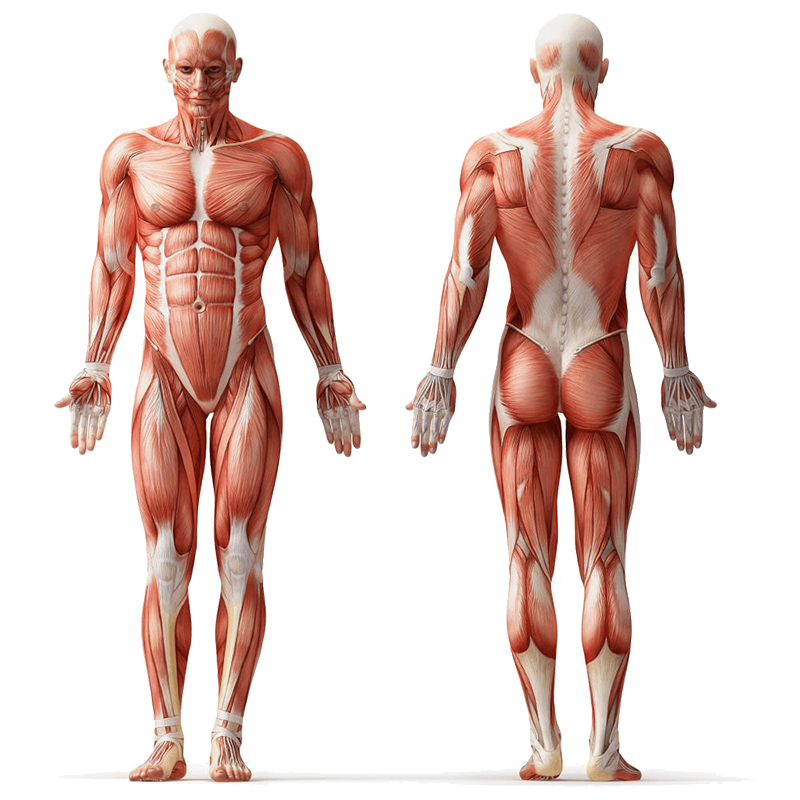
The barbell front squat, often referred to simply as the front squat, is a compound strength exercise that primarily targets the quadriceps (front thigh muscles) and engages the gluteus maximus (buttocks), hamstrings (back thigh muscles), and core muscles. Unlike the traditional back squat, the front squat positions the barbell across the front of the shoulders, demanding a more upright torso and enhancing core stability. This positioning shifts the emphasis toward the quadriceps and reduces strain on the lower back, making it a valuable addition to lower body training routines.
The front squat is particularly beneficial for individuals aiming to improve their Olympic lifting techniques, as it closely mimics the receiving position of the clean. Additionally, it enhances flexibility and mobility in the hips and ankles, contributing to overall functional fitness.
The barbell front squat is generally categorized as an intermediate to advanced exercise due to the requisite balance, coordination, and flexibility. It falls under the strength exercise type, focusing on building muscular power and endurance. The primary muscle group targeted is the quadriceps, with secondary engagement of the gluteus maximus, hamstrings, and core muscles. As a compound movement, it involves multiple joints and muscle groups simultaneously, enhancing overall functional strength. The exercise requires a barbell and is typically performed using a squat rack for safety and convenience.
Incorporating the barbell front squat into your fitness regimen can lead to significant improvements in lower body strength, core stability, and overall athletic performance. Its emphasis on the quadriceps, combined with the necessity for an upright torso, makes it a distinctive and effective exercise for developing lower body musculature and enhancing functional movement patterns.
Step-by-Step Instructions
- Setup: Position a barbell at about shoulder height on a squat rack. Stand facing the bar, feet shoulder-width apart, and place your hands on the bar slightly wider than shoulder-width, using an overhand grip.
- Bar Placement: Step closer to the bar, bringing your chest against it. Raise your elbows until your upper arms are parallel to the ground, allowing the bar to rest on the front of your shoulders, near the collarbone. The bar should be close to your neck but not in contact.
- Unrack the Bar: With the bar securely resting on your shoulders and elbows up, lift the bar off the rack by straightening your legs and stepping back carefully to clear the rack.
- Starting Position: Stand tall with your feet shoulder-width apart, toes slightly pointed outward. Keep your chest up, back straight, and core engaged. Maintain high elbows throughout the movement to prevent the bar from rolling forward.
- Descent: Inhale deeply, then initiate the squat by bending at the hips and knees simultaneously. Lower your body by pushing your hips back and bending your knees, keeping your torso upright. Continue descending until your thighs are at least parallel to the floor or as low as your flexibility allows.
- Ascent: Exhale as you press through your heels to extend your knees and hips, returning to the starting position. Maintain an upright torso and high elbows throughout the ascent.
- Re-Rack the Bar: After completing the desired number of repetitions, step forward to align the bar with the rack. Lower the bar onto the rack supports carefully, ensuring it is securely in place before releasing your grip.
Tips for Proper Form
- Maintain Elbow Position: Keep your elbows high throughout the movement to prevent the bar from rolling forward. This also helps maintain an upright torso.
- Engage Your Core: Keep your core muscles tight throughout the exercise to protect your spine and improve balance.
- Focus on Depth: Lower your body until your thighs are at least parallel to the floor or deeper, depending on your mobility and comfort.
- Distribute Weight Evenly: Keep your weight balanced over the midfoot to ensure stability and proper force distribution.
- Control the Descent: Move slowly and deliberately during the descent to maintain proper form and avoid strain on your knees.
- Choose the Right Grip: Use a clean grip (palms up) or a cross-arm grip, depending on your comfort and flexibility, to support the barbell securely.
Barbell Front Squat Benefits
- Improves Lower Body Strength: Primarily targets the quadriceps while also engaging the glutes and hamstrings for well-rounded development.
- Enhances Core Stability: Requires significant core engagement to maintain an upright posture, strengthening abdominal and spinal muscles.
- Boosts Mobility: Improves flexibility in the hips, ankles, and thoracic spine due to the movement's requirements.
- Supports Olympic Lifting: Mimics the receiving position of the clean, making it an essential exercise for Olympic weightlifters.
- Reduces Lower Back Strain: The front-loaded position shifts the emphasis away from the lower back, making it a safer alternative for some lifters.
- Promotes Functional Fitness: Builds strength and stability that translates well to everyday movements and athletic activities.
Common Mistakes to Avoid
- Allowing the Elbows to Drop: Dropped elbows can cause the bar to roll forward, compromising form and increasing the risk of injury.
- Arching the Lower Back: Maintain a neutral spine throughout the movement to avoid unnecessary strain on the lower back.
- Knees Caving In: Ensure your knees track over your toes to avoid putting undue stress on the knee joints.
- Incorrect Bar Position: The bar should rest securely on the front of the shoulders, not on the neck or hands.
- Neglecting Core Engagement: A weak core can lead to instability and poor form. Keep your core muscles activated at all times.
- Rushing Through the Movement: Perform the exercise slowly and with control to ensure proper technique and maximize benefits.
Summary
The barbell front squat is an effective compound exercise that builds lower body strength, enhances core stability, and improves flexibility. By maintaining proper form, engaging your core, and emphasizing depth, you can maximize its benefits while avoiding common mistakes. Whether you're an Olympic lifter or seeking to improve your functional fitness, the front squat is a valuable addition to your training routine.
FAQs
How often should I perform the barbell front squat?
Incorporate the front squat into your routine 1–2 times per week, depending on your overall training goals and recovery capacity.
Can beginners perform the front squat?
Yes, but they should focus on mastering the technique with lighter weights or a PVC pipe before progressing to heavier loads.
What grip should I use for the front squat?
Common grips include the clean grip and cross-arm grip. Choose the one that best suits your flexibility and comfort.
Is the front squat better than the back squat?
Both have unique benefits. The front squat emphasizes the quadriceps and core, while the back squat engages more of the posterior chain.
What equipment do I need for the front squat?
You’ll need a barbell and a squat rack for safety and ease of setup.
How can I improve my front squat depth?
Focus on mobility exercises for your hips and ankles, and practice with lighter weights to improve your range of motion.