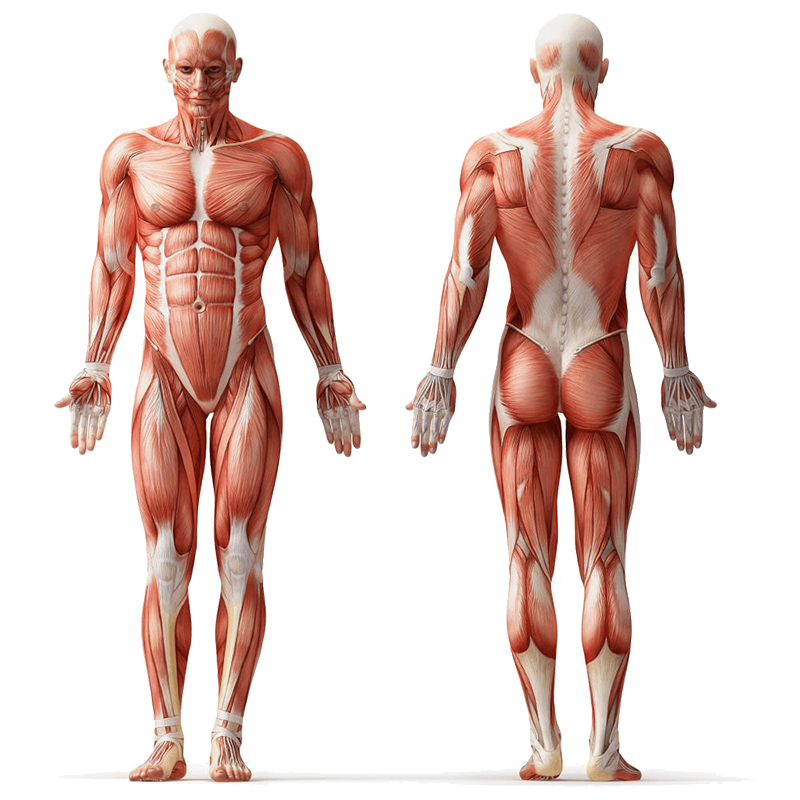
The Single Leg Hack Squat is a unilateral lower-body exercise that primarily targets the quadriceps (front thigh muscles) and engages the gluteus maximus (buttocks) and hamstrings (back thigh muscles) as secondary muscle groups. This compound movement requires a hack squat machine and is suitable for individuals with an intermediate to advanced fitness level. By isolating each leg, it enhances muscular balance, coordination, and strength, making it a valuable addition to a comprehensive leg training regimen.
Step-by-Step Instructions
- Begin by loading the hack squat machine with an appropriate weight. Ensure the machine is set up correctly and the safety stops are in place.
- Position yourself on the machine with your back firmly against the back pad and shoulders under the shoulder pads. Place your left foot on the platform, aligning it with your hip, and extend your right leg forward, keeping it off the platform.
- Grasp the side handles of the machine for stability. Disengage the safety locks by pressing up slightly.
- Inhale deeply, engage your core, and slowly lower your body by bending your left knee. Descend until your left thigh is parallel to the platform or as far as your flexibility allows, ensuring your knee tracks over your toes.
- Pause briefly at the bottom of the movement, then exhale as you press through your left heel to return to the starting position, fully extending your leg without locking the knee.
- Complete the desired number of repetitions on the left leg, then switch to the right leg and repeat the process.
Tips for Proper Form
- Maintain an upright torso throughout the movement to reduce strain on the lower back.
- Keep your core engaged to enhance stability and control.
- Avoid locking your knee at the top of the movement to maintain continuous tension on the muscles.
- Ensure your knee aligns with your toes during the descent to prevent undue stress on the joint.
- Start with a lighter weight to master the form before progressing to heavier loads.
- Perform the exercise in a controlled manner, focusing on the muscle contraction rather than speed.
Single Leg Hack Squat Benefits
- Enhances unilateral leg strength, addressing muscle imbalances between legs.
- Improves balance and coordination due to the single-leg focus.
- Targets the quadriceps effectively, promoting muscle hypertrophy.
- Engages stabilizing muscles, contributing to overall lower-body stability.
- Reduces the risk of overloading the spine compared to traditional squats.
- Offers a controlled environment to focus on form and muscle activation.
Common Mistakes to Avoid
- Allowing the knee to cave inward during the movement, which can lead to injury.
- Using excessive weight before mastering proper form, increasing the risk of strain.
- Failing to engage the core, resulting in reduced stability and potential back discomfort.
- Locking the knee at the top, which can place unnecessary stress on the joint.
- Performing the exercise too quickly, compromising muscle engagement and control.
- Neglecting to adjust the machine settings to fit your body, leading to improper alignment.
Summary
The Single Leg Hack Squat is an effective exercise for developing unilateral leg strength, enhancing balance, and targeting the quadriceps. By focusing on one leg at a time, it addresses muscle imbalances and promotes functional stability. Proper form and controlled execution are essential to maximize benefits and minimize injury risk.
FAQs
How often should I perform the Single Leg Hack Squat?
Incorporate this exercise into your leg training routine 1-2 times per week, allowing adequate recovery between sessions.
Can beginners perform the Single Leg Hack Squat?
While it's more suitable for intermediate to advanced individuals, beginners can start with bodyweight single-leg exercises to build foundational strength before progressing.
What are some alternatives to the Single Leg Hack Squat?
Alternatives include the Bulgarian Split Squat, Single-Leg Press, and Step-Ups, all of which target similar muscle groups.
Is the Single Leg Hack Squat safe for individuals with knee issues?
Those with knee concerns should consult a healthcare professional before attempting this exercise, as it places significant load on the knee joint.
How can I increase the difficulty of the Single Leg Hack Squat?
Progress by gradually increasing the weight, adding pauses at the bottom of the movement, or incorporating tempo variations.
Should I perform the Single Leg Hack Squat before or after other leg exercises?
It can be performed either as a primary movement to focus on unilateral strength or after compound lifts to isolate the quadriceps further.