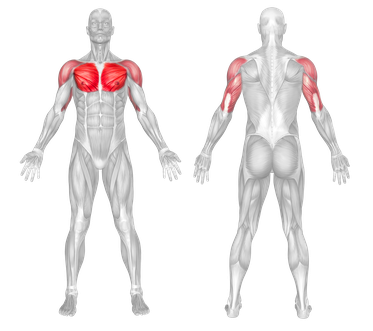
The Lever Chest Press, also known as the Leverage Chest Press or Machine Chest Press, is a popular strength-building exercise that primarily targets the pectoral muscles (chest muscles). This exercise is suitable for individuals at all fitness levels, from beginners to advanced athletes, due to its adjustable resistance and controlled movement. The Lever Chest Press also engages the triceps (triceps brachii) and shoulders (anterior deltoids) as secondary muscles, making it an effective compound exercise.
The mechanics involve using a lever machine to press the handles forward, engaging multiple muscle groups simultaneously. This exercise is typically performed with a leverage machine, providing a safer and more controlled environment compared to free weights, especially for those with shoulder or wrist issues.
Lever Chest Press Step-by-Step Instructions
- Adjust the seat height so that the handles are at chest level.
- Sit on the machine with your back flat against the pad and your feet flat on the floor.
- Grasp the handles with an overhand grip and ensure your elbows are slightly bent.
- Push the handles away from your body until your arms are fully extended.
- Slowly bring the handles back towards your body, keeping your elbows slightly bent to maintain tension on the chest muscles.
- Repeat for the desired number of repetitions.
Tips for Proper Form
- Keep your back flat against the pad to avoid unnecessary strain on your lower back.
- Ensure your feet are planted firmly on the ground for stability.
- Keep your elbows slightly bent at the end of the pressing movement to maintain tension in the chest muscles.
- Maintain a slow and controlled movement to maximize muscle engagement and minimize the risk of injury.
- Adjust the seat height correctly to ensure the handles are at chest level, aligning with your body mechanics.
- Use a spotter or assistance if attempting to lift heavy weights for added safety.
Lever Chest Press Benefits
- Effectively targets the chest muscles, enhancing upper body strength.
- Engages the triceps and shoulders, contributing to overall muscle development.
- Provides a safer alternative for those with shoulder or wrist injuries compared to free weights.
- Allows for a greater range of motion, improving muscle flexibility and activation.
- Reduces strain on the shoulder joints due to the machine’s controlled movement.
- Adjustable resistance makes it suitable for all fitness levels, from beginners to advanced athletes.
Common Mistakes to Avoid
- Arching the back excessively during the press can lead to lower back strain.
- Allowing the elbows to flare out too much can put undue stress on the shoulder joints.
- Using too much weight can compromise form and increase the risk of injury.
- Not adjusting the seat height correctly can lead to improper alignment and reduced effectiveness.
- Rushing through the movement can reduce muscle engagement and effectiveness.
- Failing to keep the feet planted firmly on the ground can reduce stability and power output.
Summary
The Lever Chest Press is a versatile and effective exercise for building upper body strength, targeting the chest, shoulders, and triceps. Its adjustable resistance and controlled movement make it suitable for all fitness levels. Proper form and technique are crucial to maximizing benefits and minimizing injury risks.
Lever Chest Press FAQs
How often should I perform the Lever Chest Press?
For optimal results, incorporate the Lever Chest Press into your routine 2-3 times per week, allowing for adequate rest between sessions.
Can beginners perform the Lever Chest Press?
Yes, beginners can perform this exercise due to its adjustable resistance and controlled movement, which help ensure proper form and safety.
Is the Lever Chest Press better than the bench press?
Both exercises have their benefits. The Lever Chest Press offers controlled movement and safety, while the bench press engages more stabilizer muscles.
What muscles are targeted by the Lever Chest Press?
The primary muscles targeted are the pectoralis major (chest), with secondary engagement of the anterior deltoids (shoulders) and triceps brachii (triceps).
Can the Lever Chest Press help with muscle imbalances?
Yes, by adjusting the seat and handle position, you can target different areas of the chest to address muscle imbalances.
What are some variations of the Lever Chest Press?
Variations include the Incline Lever Chest Press, Decline Lever Chest Press, and Single Arm Lever Chest Press, each targeting different areas of the chest.