
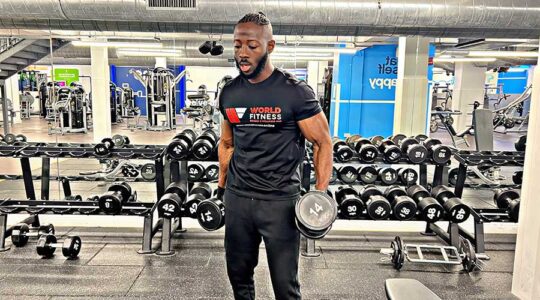
When it comes to creating a custom workout plan, it is important to understand that there is no one-size-fits-all approach. Every individual has unique needs and goals, and a workout plan that works for one person may not work for another. The key is to design a plan that is tailored to your specific needs and goals.
One of the first things to consider when designing a custom workout plan is your current fitness level. If you are new to exercise, it is important to start slowly and gradually increase the intensity and duration of your workouts. This will help you avoid injury and burnout, and will also help you build a strong foundation of fitness. On the other hand, if you are more experienced, you can start with more intense workouts and push yourself harder.
Another important factor to consider is your goals. As mentioned earlier, it is important to set specific, measurable goals for yourself, such as losing a certain amount of weight or adding a certain amount of muscle mass. Once you have set your goals, you can tailor your workout plan to help you achieve them. For example, if your goal is to lose weight, you will want to focus on cardio exercises that burn a lot of calories, such as running, cycling, or swimming. If your goal is to build muscle, you will want to focus on resistance training exercises, such as weightlifting or bodyweight exercises.
In addition to cardio and resistance training, it is also important to include flexibility and balance exercises in your workout plan. These types of exercises can help to improve your overall mobility, stability, and balance, which can in turn help to prevent injury and improve your performance in other exercises. Yoga and Pilates are great examples of exercises that can help to improve flexibility and balance.
Another important aspect of creating a custom workout plan is to schedule your workouts. You should aim to get in at least 30 minutes of moderate-intensity exercise most days of the week, with at least two days of strength training. When scheduling your workouts, it’s important to consider your current level of fitness and your goals. For example, if you’re new to exercise, you may want to start with shorter, less intense workouts and gradually increase the duration and intensity over time. If you’re more experienced, you may want to start with longer, more intense workouts.
As you progress with your workout plan, it is important to track your progress and make adjustments as needed. This will help you see how far you’ve come and make any necessary changes to help you reach your goals. You can track your progress by measuring your weight, body measurements, and strength, or by using a fitness app or tracker.
Another important aspect of creating a custom workout plan is to incorporate variety in your workouts. This will help keep you motivated, prevent boredom and help to target different muscle group. Incorporating exercises that target different muscle groups, such as leg day, back day, arm day, etc, will help to achieve muscle balance and work towards a more overall fitness.
In addition to physical exercises, it is also important to consider your nutrition. Eating a balanced diet that is high in protein, healthy fats, and complex carbohydrates can help to fuel your workouts and support your goals. You should also make sure to drink enough water and get enough sleep, as these can also have a big impact on your fitness and health.
In conclusion, creating a custom workout plan is a great way to achieve your fitness goals. By considering your current fitness level, setting specific, measurable goals, incorporating different types of exercises and including variety, scheduling your workouts and tracking your progress, you can ensure that your plan is tailored to your unique needs and will help you achieve the results you want. Remember to also include flexibility, balance, and core exercises, as well as to incorporate a healthy nutrition plan. It’s also important to be consistent with your workouts, and to make adjustments as needed to ensure you’re progressing in the right direction.
It’s also good idea to work with a personal trainer or fitness professional to help you design a custom workout plan. They can help you set realistic and achievable goals, create a plan that fits your schedule, and provide guidance and support to help you stay on track.
For example, if your goal is to lose weight, you can create a workout plan that includes cardio exercises such as running or cycling, and resistance training exercises such as weightlifting or bodyweight exercises. You can also include high-intensity interval training (HIIT) to boost your metabolism and burn more calories.
If your goal is to build muscle, you can create a workout plan that includes compound exercises such as deadlifts, squats and bench press, and isolation exercises such as bicep curls and tricep extensions. Additionally, you can focus on progressive overload, which means gradually increasing the weight and resistance of your exercises over time.
In order to achieve your goals, it’s important to be consistent with your workout plan and to make adjustments as needed. This will help you to stay motivated, track your progress and make changes as needed. Remember to listen to your body and make adjustments as needed.
In summary, a custom workout plan is a great way to achieve your fitness goals. By considering your current fitness level, setting specific, measurable goals, incorporating different types of exercises, scheduling your workouts, tracking your progress, and working with a personal trainer or fitness professional, you can ensure that your plan is tailored to your unique needs and will help you achieve the results you want. With a consistent effort, you can reach your fitness goals and achieve a healthier and happier lifestyle.